Read the full story
Foundation brings unique insights on business, building product, driving growth, and accelerating your career — from CEOs, founders and insiders.
Saying No
Prioritization is saying no frequently to make room for one high impact yes.


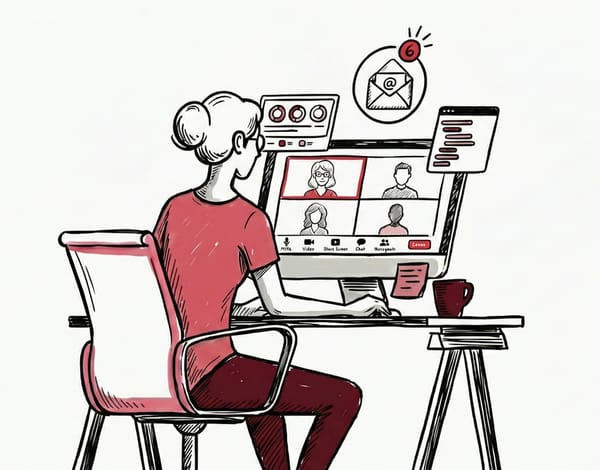
Every morning I wake up to emails, slacks, calls and texts. You probably experience this too: cold emails and unsolicited texts, mixed with important company slacks, mixed with noisy company messages you shouldn't have been tagged on, mixed with a few emails you actually need to respond to. Triage—not work—is taking over our time.
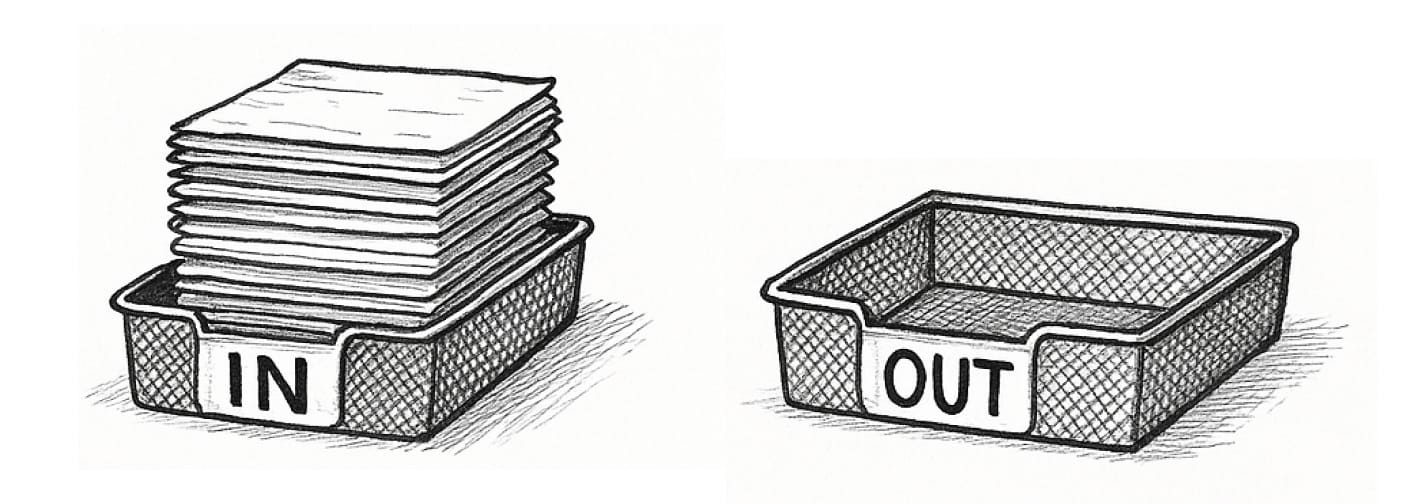
Work was different a few decades ago. You managed a physical inbox and outbox on your desk, handling the items in your inbox and putting completed work in your outbox. The analog work system focused on completing work; the digital-age work system is modeled after an infinite scrolling feed of never-ending to dos.
So how do you focus and do meaningful work?
Hell yeah or no
“The difference between successful people and really successful people is that really successful people say no to almost everything.” ―Warren Buffett
In Derek Sivers' book on decision making, Hell Yeah or No, he simplifies things: "If you feel anything less than 'hell yeah!' about something, say no." We say yes too often, he notes. By saying no to almost everything, you leave space for the few things that matter most.
The problem of work in the digital age is that virtually anyone can reach you, and they can reach you at any time. The inbox is now text, call, email, WhatsApp, Instagram DM, LinkedIn message, and more.
Saying no is the key to working through this multi-channel volume of inbound messages and requests. But how do you decide what to say no to, and how do you actually say no? The first step is deciding what to say yes to.
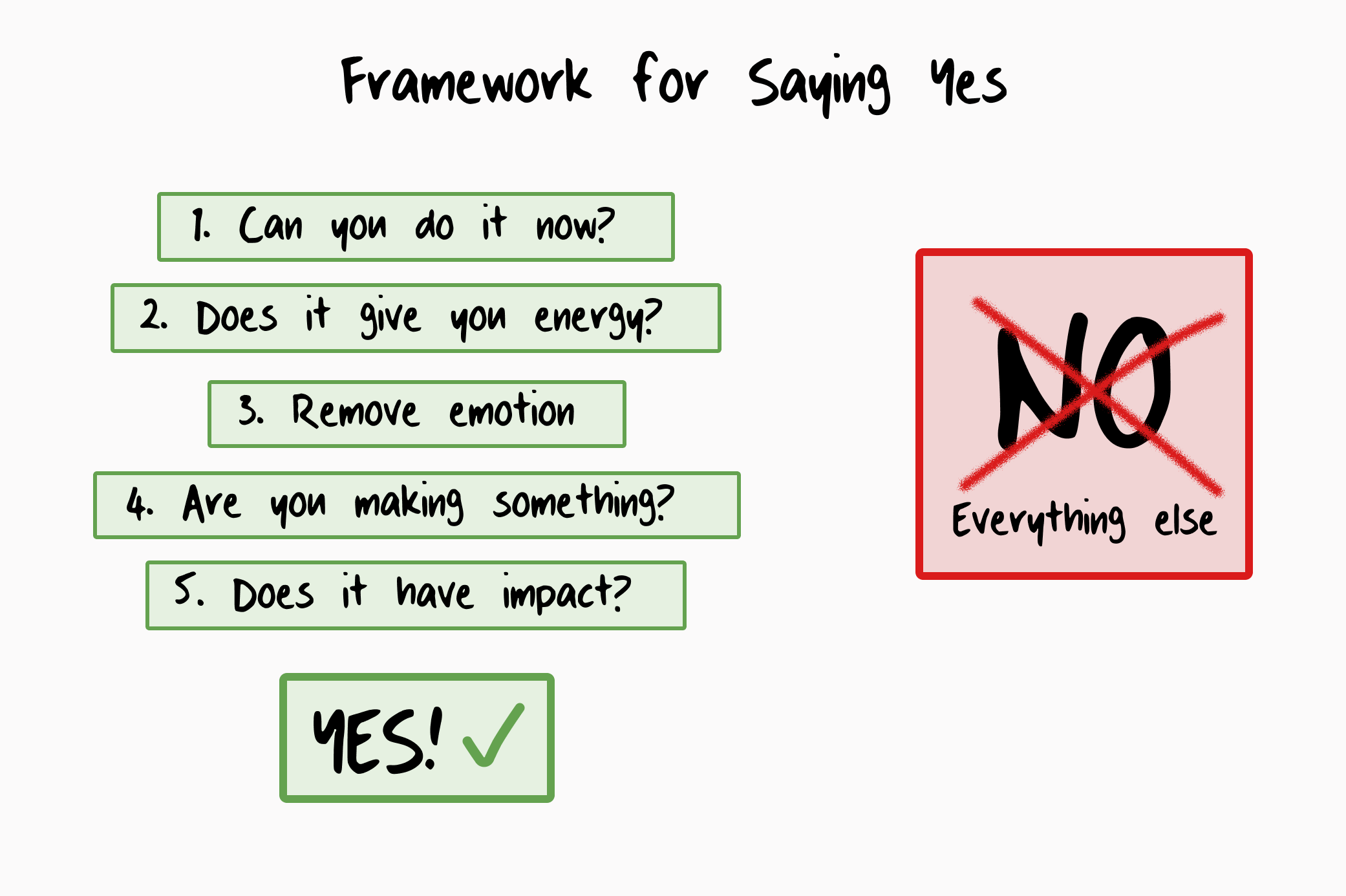
Here's a six step framework for getting to yes:
- Can you do it now (this week)? No backlogs. Putting something on a backlog is a longer way of ultimately saying no.
- Does it give you energy? Work on things that excite you. The more energy you have, the more you'll get done.
- Remove emotion: if you hypothetically ignored how the other person felt when you say no, would you say yes?
- Are you making something? Prioritize building above all else.
- Does it have impact? Prioritize projects that (i) generate high value per person, and (ii) impact enough people.
- Can it be an email? Don't fall for the time-tested sales tactic of unnecessarily turning asynchronous work into synchronous work. Ask for clarification over email.
Things that pass all of the criteria above are candidates for yes. These are the things that you take out of your inbox. Everything else is a no.
How to say no
You can't please everyone.
An executive asks you to research something; an investor asks for a favor; a salesperson invites you to a networking event; your coworker asks for help collaborating on a project. Any of these things could be a yes. Saying no is uncomfortable (at first). Am I being rude? Will I get a reputation?
If the act of saying no causes stress, you'll default to yes to avoid discomfort. Having a framework for saying no can eliminate most of the stress.
Inbound requests
Edmund Wilson, decorated writer and literary critic, realized that trying to please everyone guaranteed low output. So he came up with his own checklist to use in response to most inquiries:
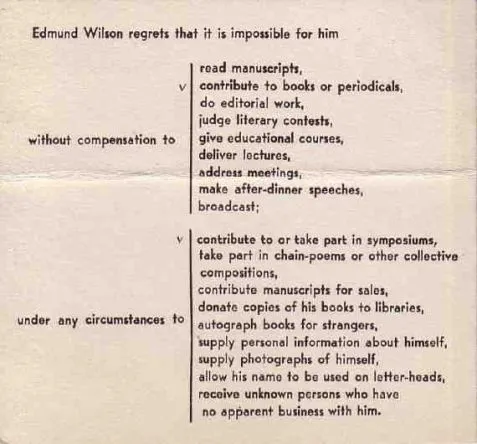
Build a similar decision matrix for yourself. Do you go to conferences? Do you take cold calls for new products (no matter how important the person who introduced you)? Do you collaborate on internal projects that are not in your domain?
General rules on how to respond:
- Async. Keep your response asynchronous (email, slack)
- No texts. Keep work and personal communication separate. Moving to text is an intrusive sales tactic.
- Don't apologize. Respond politely, firmly, but don't apologize – someone asked you for your time.
- Ignore all cold emails. Cold email serendipity has been overtaken by AI slop.
- Be straightforward. Don't say things you'll never actually do, like "I'm rooting for you from the sidelines."
Here's a template for a clear, simple no:
Thanks for thinking of us. We're currently heads down building product. Will let you know if/when this becomes something we'll prioritize. Talk soon,
Alice
Internal requests
Saying no to someone you never interact with is easy. But how do you say no to a manager or peer you chat with daily?
Read the full story
Foundation brings unique insights on business, building product, driving growth, and accelerating your career — from CEOs, founders and insiders.