Read the full story
Foundation brings unique insights on business, building product, driving growth, and accelerating your career — from CEOs, founders and insiders.
Building Big Things, Remotely
It is hard to overstate the benefits of working remotely—both for company success and employee happiness.


At a startup, conventional wisdom is almost always wrong. A startup's mission is to do something that hasn't been done before, something that most people think cannot be done. To defy these long odds, almost everything must be questioned.
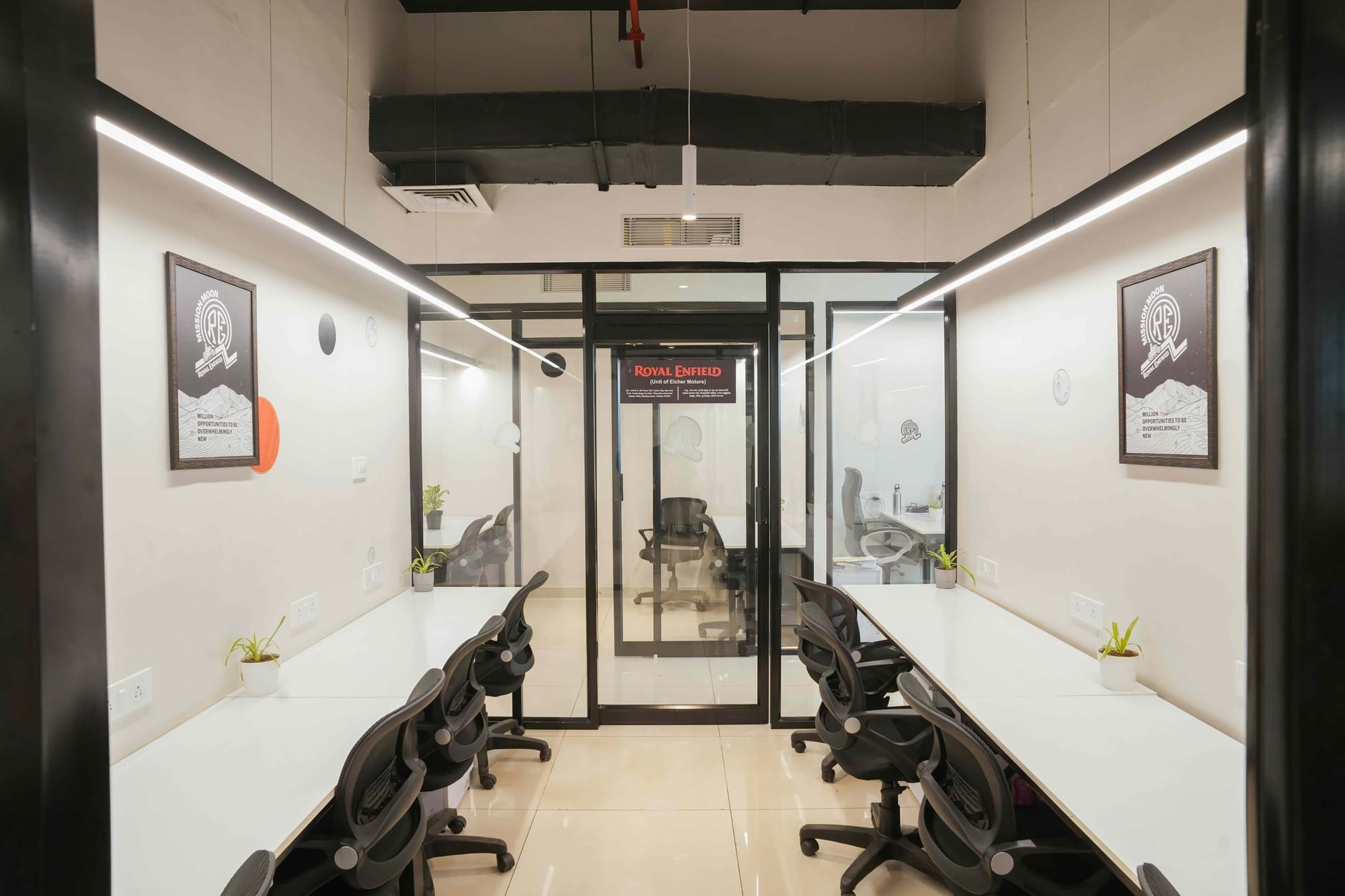
During the day, I run Albert, a financial technology company that has scaled to millions of customers and hundreds of millions of dollars of revenue, today running fully remotely. But when we started Albert in 2015, I believed that the entire team should work in the same room. Even when we were a team of just five, we believed in this so strongly that we commuted an hour each day to cram ourselves into a co-working space like the one below.
Going remote
"Everyone has a plan until they get punched in the mouth." – Mike Tyson
In March 2020, as we were about to open our newly renovated 20,000 square foot Albert office in Culver City, COVID-19 sent us home. We downloaded Zoom, set up makeshift home workstations, and tried to keep the product running. We were suddenly a remote company—with a lot of empty office space.
Years prior, I had read both Remote and Rework from the founders of 37 signals (makers of Basecamp and Ruby on Rails), open to their iconoclastic views on running companies—no meetings, don't worry about competitors, no backlogs, work from anywhere, and more. But I didn't believe that these principles could be applied to high-growth companies. Besides, by that point, Albert had raised nearly $100 million, and surely no investor would support us sending everyone home for a better lifestyle, right?
The basics
Remote work succeeds with the right systems and with complete buy-in.
You can't run a remote company the same way you run an in-person company. To be successful, you must adopt new systems, planning patterns, communication, social rituals, and more. Because Albert did not start out as a remote company, this took us a few years to get right. But once we got it to work, we were not going back. Below are the core philosophies for being a successful remote company.

- No meeting culture: Limit recurring meetings and 1:1s to almost zero. Focus on work. No on has energy for endless group video calls.
- Async communication: Communicate project updates asynchronously instead of in group meetings.
- Transparency: Because no one is in the same room, projects must be digitally accessible and transparent to everyone.
- Lean team: Remote teams thrive on being lean. Everyone must have a measurable job that adds quantifiable value.
- In person relationships: It is still important to build relationships in person even if most work is done remotely. Remote companies must organize enough in-person events to build camaraderie.
- Measure everything: All output must be measured quantitatively. How else can you know if someone is doing they're job if you're not in the same room?
- Fire quickly if no fit: Remote work is not for everyone. Some people are not self-starters, prefer social interaction over individual work, and enjoy the ritual of commuting. They will be miserable at a remote company.
- Total buy-in: Everyone, including all of a company's leadership, must buy in. Remote companies work differently and as a result hire a different type of person. This only succeeds when everyone agrees on running a remote culture.
Albert has run remotely for 5 years—half of the company's life. Revenue has grown 10x over that period. The company did not grow ten-fold because of remote work, nor despite it. We figured out how to work remotely, and as a result we were able to reach scale all while enjoying a superior work life.
The benefits
It is hard to overstate the benefits of remote work.
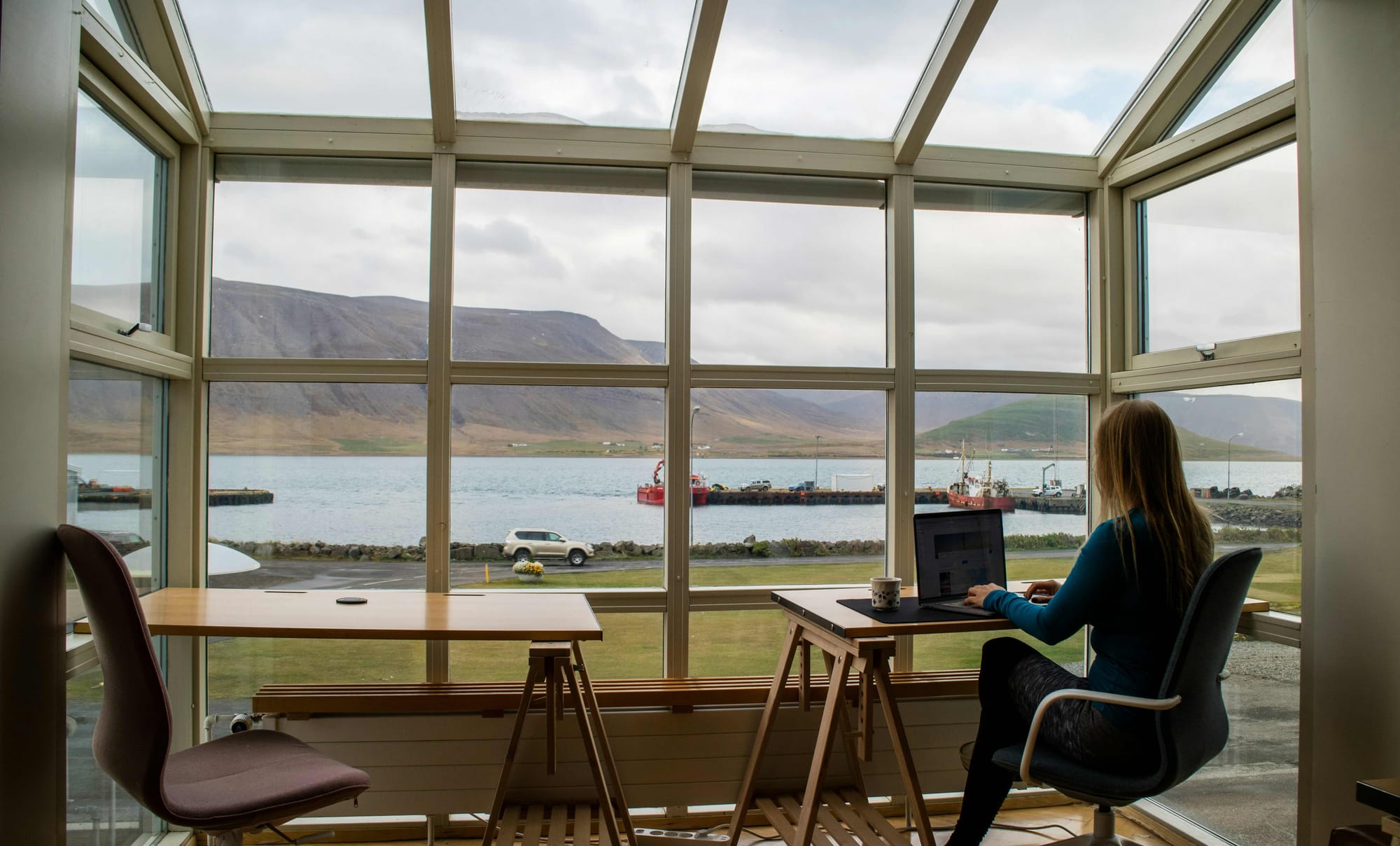
There are many benefits to working remotely: productivity, lifestyle, compensation, relationships, a company's financial health, and more. Here are the main benefits we've seen at Albert:
Company benefits
- Increased talent pool: Consider New York City, the largest hiring pool in the U.S.: fewer than 5% of American adults can commute to an office in Manhattan. Hiring remotely beyond New York increases the talent pool by >20x in the U.S. alone.
- High employee retention: Remote work allows employees to set their own schedule. With time being an invaluable resource, this freedom drives employee happiness and retention, especially among people with families.
- Lower cost structure: Fixed costs are lower because remote companies have a smaller real estate footprint and a leaner team. Focus and intentionality caused by working remotely drives operating efficiency.
- Productivity: People who love their work get more done at home, uninterrupted by someone tapping on their shoulder in an office, hours of commuting, or in-person meetings.
Employee benefits
- Fulfillment: One of the keys to a happy life is enjoying work. Applying to remote jobs increases the number of available jobs, allowing you to find a job that makes you happy.
- Lifestyle: Remote workers set their own schedule, spending less time on things that suck energy, like meetings and commuting. They spend more time on things that bring happiness, like family, friends, and actual work.
- Earnings go further: Remote workers can choose where they live. The cost of living in Orlando, taking into account rent, no state or city taxes, is almost 50% lower than New York City.
- No commute: Commuting sucks energy and takes away precious time you could spend with family, friends, or working.
There is a myth that companies working remotely can't scale to hyper-growth. I'm not sure where this myth started, but I believed it when we started Albert. It is not true. At a successful, remotely working company, everyone works hard, a smaller team can achieve a lot, low fixed costs generate more cash flow, and more cash flow is reinvested into growth. This formula has worked for Albert.
The negative
The only serious negative to remote work is missing daily social interaction with coworkers. I built meaningful relationships with in-person coworkers in my twenties. But in exchange, I missed out on a balanced life—not enough time to exercise, or eat healthy, or spend time with friends and family. It's not that I would have worked less had the work been remote; I just would have worked a different set of hours and not wasted 7-8 hours a week commuting.
Once you have a family and you've worked remotely, it is unfathomable to lose the freedom to see your partner throughout the day and watch your kids grow up.
Albert's tool stack
Read the full story
Foundation brings unique insights on business, building product, driving growth, and accelerating your career — from CEOs, founders and insiders.